

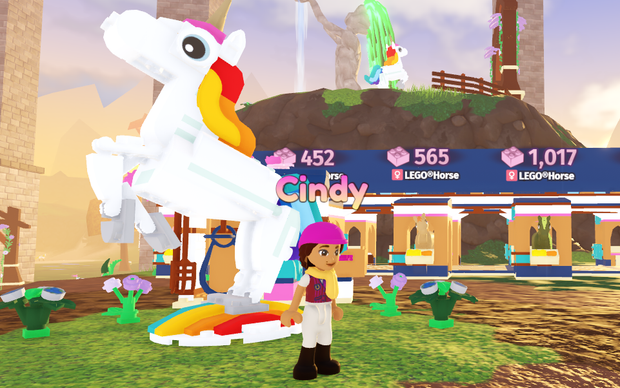
In December 2023, LEGO launched LEGO Fortnite (Odyssey), drawing 2.4 million concurrent players—one of Fortnite’s biggest debuts.
By summer 2024, LEGO Fortnite surpassed 83 million players, boosted by creator campaigns and promotions. However, sustaining engagement required constant updates, new content, and ongoing marketing as player counts naturally declined after launch.
When LEGO turned to Roblox in April 2025, they took a completely different approach!
Here's the complete breakdown of how LEGO cracked Roblox by doing the opposite of what they did on Fortnite—and what every brand can learn from this.
The Evolution🔎 From Fortnite Games to Roblox Activations
LEGO's strategy on UGC platforms evolved dramatically between 2023 and 2026, starting by investing heavily in Fortnite.
The Timeline: LEGO's Roblox journey (2023-2026)
- December 2023: LEGO Fortnite Odyssey launches as a standalone survival crafting game within Fortnite.
- December 2024: LEGO Fortnite Brick Life launches as a second standalone social roleplay game mode.
- April 2025: LEGO's Roblox strategy begins with simultaneous integrations into three popular games:
- Fisch (180M monthly plays),
- Blade Ball (64M monthly plays)
- Barry's Prison Run (74M monthly plays).
- June 2025: Creatures of Sonaria x LEGO NINJAGO event.
- September 2025: Dragon Adventures x LEGO NINJAGO Dragons Rising.
- November 2025: Driving Empire x LEGO Speed Champions.
- November 2025: Sonic Speed Simulator x LEGO integration.
- December 2025: Brookhaven x LEGO Rides event.
- Late 2025: Climb & Jump x LEGO integration.
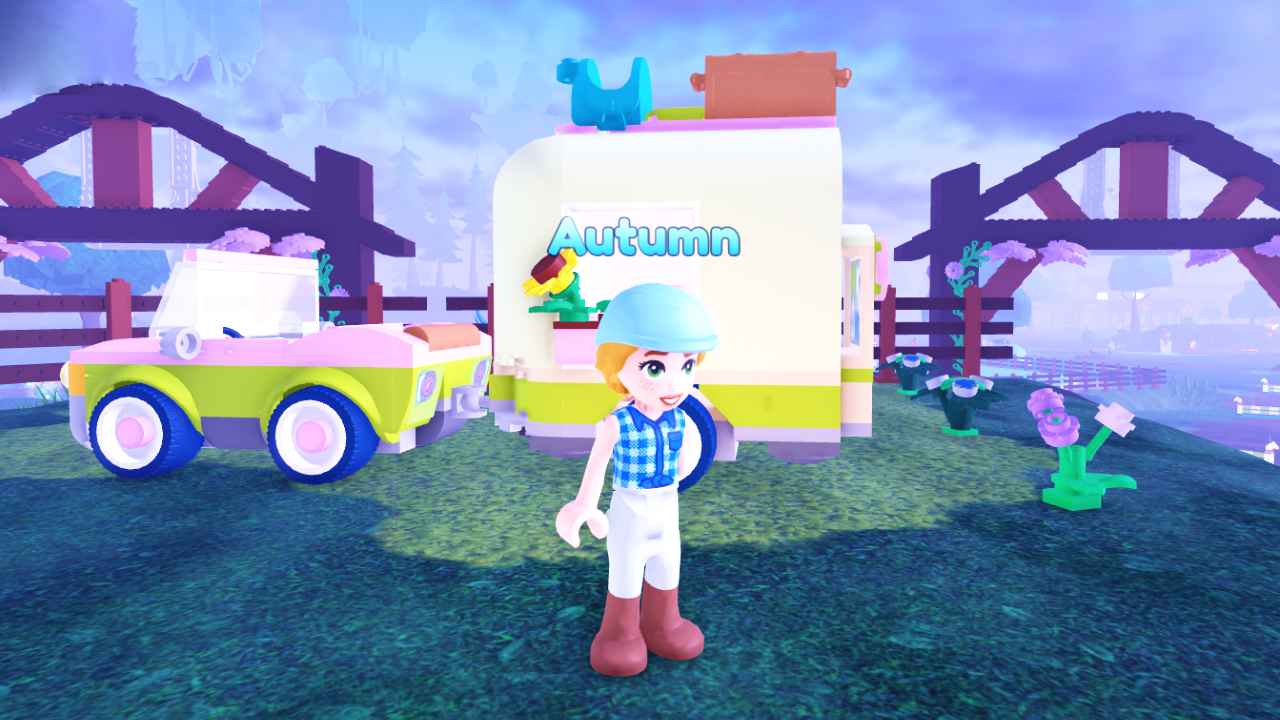
- February 2026: Horse Life x LEGO Horse Academy.
LEGO went from building two standalone Fortnite games to integrating into 10 existing Roblox games in under a year! From paid influencer campaigns to organic reach. From massive one-time launches to sustained content cadence.
Strategy #1: Integration Over Creation
LEGO's Roblox strategy is built on a simple principle: integrate with popular game to build fun events that fans of those games will be excited about.
🟪The Games
LEGO didn't pick random Roblox experiences. They partnered with 10 Roblox games that already had massive, engaged audiences:
- Fisch - A fishing game that hit 1 million concurrent players in October 2025.
LEGO added LEGO-themed fish, special fishing rods, and a LEGO boat reward. - Barry's Prison Run - An obstacle course prison escape game. LEGO created a full LEGO prison mode where players collected LEGO coins and donuts.
- Blade Ball - A competitive dodgeball-style game. LEGO introduced castle-themed maps and LEGO brick collection quests. Players could battle in medieval LEGO environments.
- Driving Empire - A car collecting and racing game. LEGO added iconic Speed Champions vehicles. Players could race and crash LEGO vehicles—perfectly aligned with the game's core loop.
- Climb & Jump - A parkour game. LEGO integration added brick-themed challenges.
- Creatures of Sonaria - A creature collection game. LEGO NINJAGO Guardian Dragon became a permanent addition.
- Dragon Adventures - A dragon breeding and adventure game. LEGO NINJAGO Dragons Rising event introduced a World with LEGO NINJAGO dragons.
- Sonic Speed Simulator - A Sonic-themed racing game. LEGO introduced the "Brick Hill Zone" and LEGO-styled characters like Sonic, Tails, and Amy,
- Brookhaven - Roblox's most popular social roleplay experience. LEGO Rides event where players hunted for bricks to unlock four themed rides permanently.
🟪Why This Worked
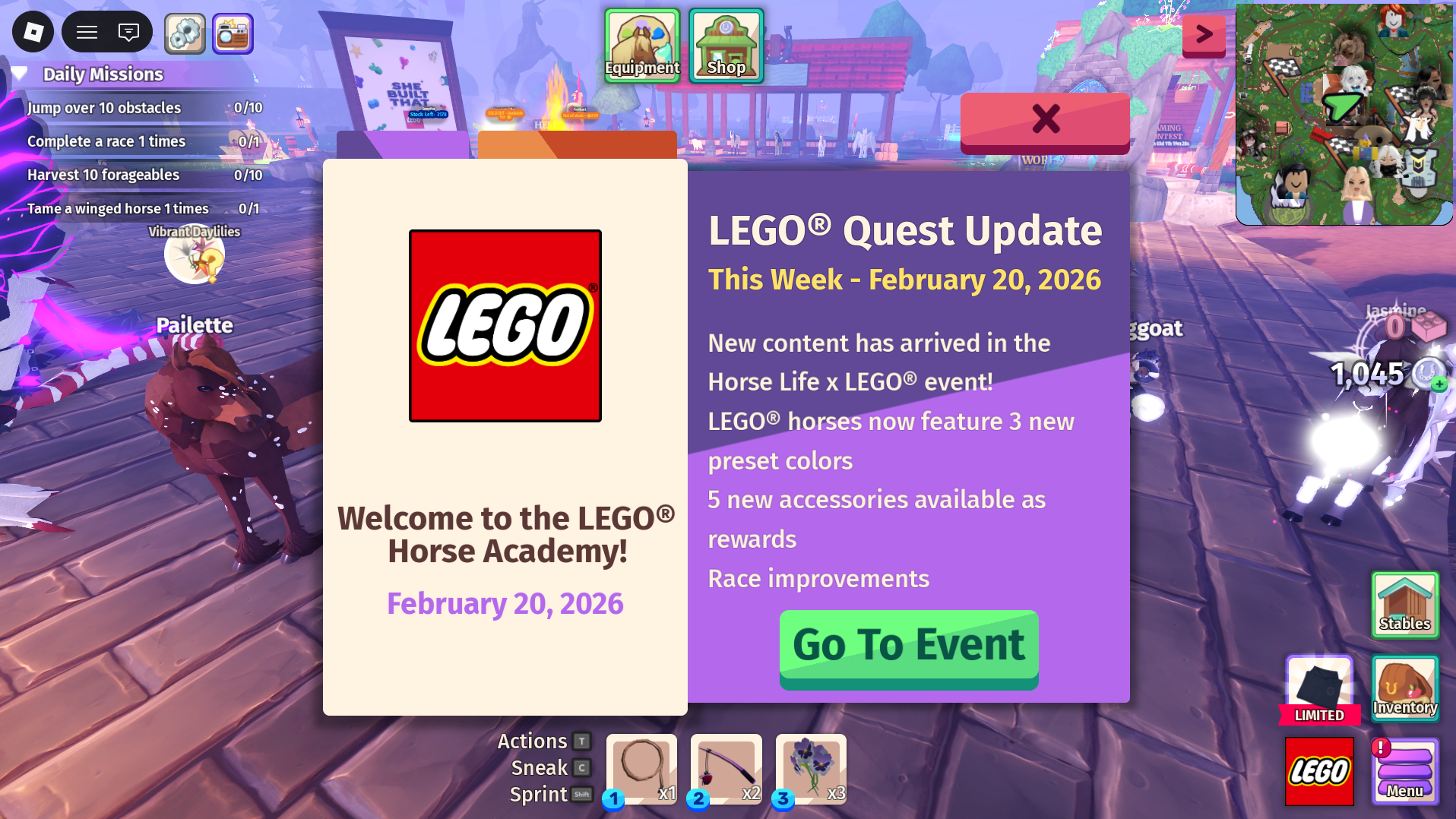
Each integration made sense for the game it appeared in. LEGO didn't force a generic "LEGO experience" into every game. They adapted: vehicles in a driving game, dragons in a dragon game, fish in a fishing game, etc. The current event with Horse Life introduced LEGO-styled horses to unlock.
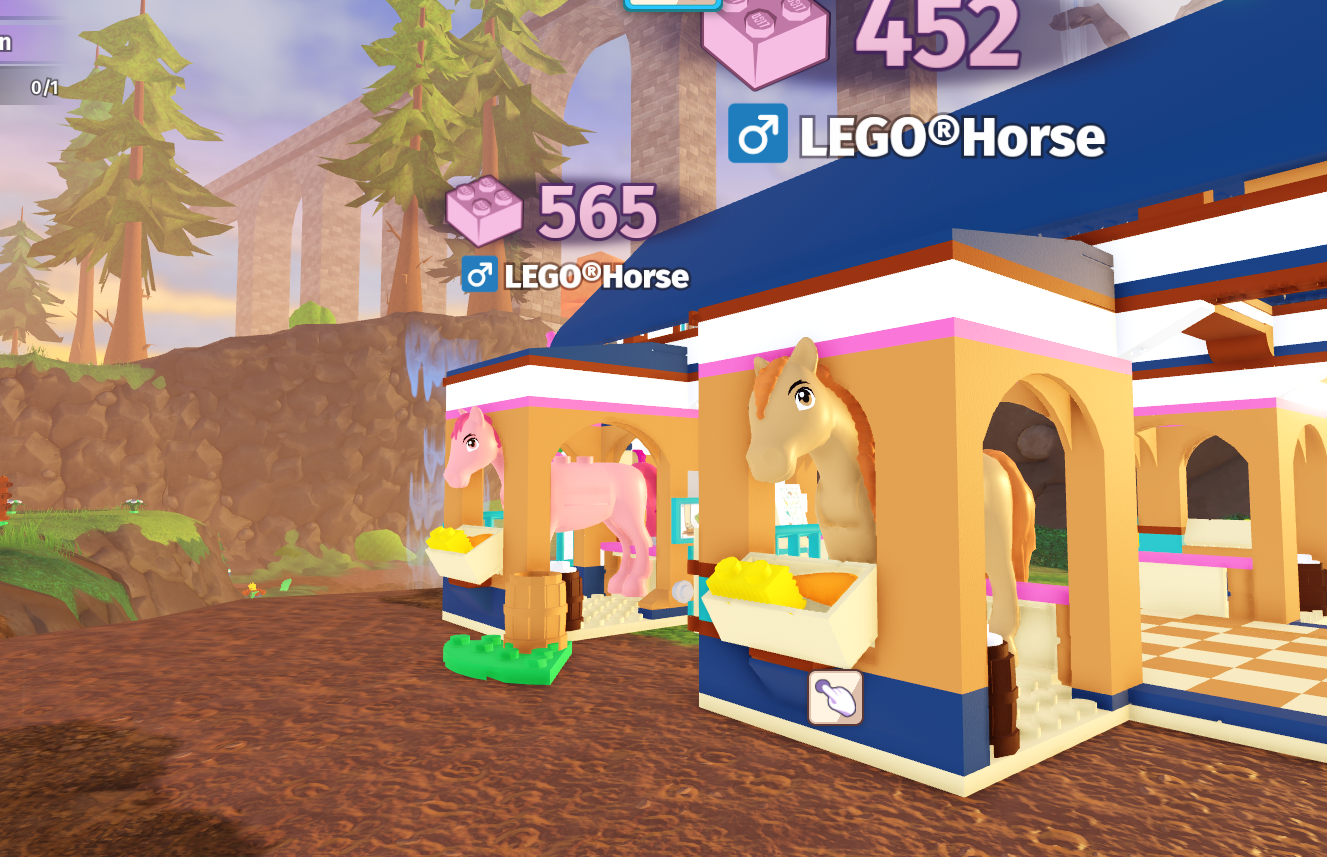
Players can choose to play the special event or go throught the quest, without disrupting the usual gameplay. LEGO became part of the gameplay they already loved—without disrupting it!
🟪 The Fortnite Contrast
On Fortnite, LEGO built two complete standalone game modes from scratch. This required massive development investment, ongoing content updates, live operations, and constant marketing to maintain player interest.
On Roblox, LEGO partnered with games that already had the engagement mechanics, and the development teams. They added value without carrying the full burden of game development and maintenance.
Lower risk, faster execution, broader reach across multiple audiences, no need to compete for player attention, and repeatable across many games simultaneously.
Strategy #2: Organic Reach Over Paid Influencers
LEGO's approach to creator marketing was completely different on Roblox versus Fortnite.
🟦Paid Influencers
For Fortnite launches and updates, LEGO frequently partnered with major YouTube creators over the years for sponsored content (#EpicPartner) to generate awareness and drive initial traffic.
Creators included Kreekcraft, ItsFunneh, and Thinknoodles. LEGO used a mix of mega (10+ subs) to micro creators (under 100K), across multiple formats (Shorts, videos, livestreams).
🟦Organic Growth
In our research, we couldn't find #ads or sponsored videos for these Roblox integrations. Instead, we found hundreds of organic videos.
Creators covering these games naturally made content about the LEGO events because it mattered to their audiences. If you're a Fisch creator and a LEGO fishing event drops, you're making that video. Your viewers want to know how to catch LEGO fish. That's valuable content.
Here's the thing though—LEGO's Roblox integrations flew under the radar for most people.
I'm on Roblox almost every day, and I missed several of these updates. They didn't show up on my homepage or charts. Most players in my circles had never heard of these integrations either.
But LEGO wasn't trying to reach everyone on Roblox. They were reaching the players already in those specific games. If you play Fisch, you saw the LEGO event. If you don't play Fisch, you probably missed it entirely.
These games have strong, dedicated communities. LEGO gave creators something worth talking about, then let the game communities do the rest. That's deep, effective organic reach.
LEGO's Roblox integrations enhanced existing gameplay rather than asking players to try something new. On Fortnite, LEGO needed to convince battle royale players to try a completely different game mode (survival crafting). That required paid promotion to drive people in.
🟦The Cost Difference
While LEGO hasn't disclosed exact spending, the economics tell a story.
Fortnite influencer campaign (estimated):
- 5+ major creators (1M-12M subscribers)
- Multiple videos/streams per creator
- 2 campaigns (one 7 months ago, one 12 months ago)
- Industry rates: $10K-50K+ per deliverable for this tier
- Estimated costs are well over $500K+ for 3 mega creators + multiple macro creators
Roblox organic reach:
- Zero influencer spend
- Hundreds of videos created naturally
- Millions of cumulative views
Strategy #3: Strategic Studio Partnerships
LEGO built relationships with key Roblox studios and returned to partners who delivered results.
🟩The Studio Network
Voldex (2 partnerships): Driving Empire, Brookhaven
Twin Atlas (3 partnerships): Creatures of Sonaria, Dragon Adventures, Horse Life
Gamefam: Sonic Speed Simulator x LEGOMultiple LEGO
DoBig Studios: Fisch x LEGO
🟩Why Recurring Partnerships Matter
When LEGO returns to the same studio multiple times (Voldex 2x, Twin Atlas 3x), it signals success, so the first partnership delivered results.
Twin Atlas's LinkedIn announcement for Horse Life specifically mentions "following the excitement around our previous collaborations", showing a genuine working relationship beyond transactional partnerships.
🟩The Complementary In-House Move
Early 2025, LEGO posted a job opening for a GAME Producer, Roblox Experiences based in Denmark (LEGO headquarters), to lead development of Roblox games and experiences from concept to live operations.
As Daniel O'Sullivan from LFG Studio shared on LinkedIn: "It's a strong signal that one of the world's biggest brands sees the benefits of a long-term strategy on Roblox."
LEGO has already proven success with external studios. Now they're building internal capability to scale and manage an ongoing Roblox presence. This is a long-term commitment signal.
What the Data Shows🧾
🟧Performance Comparison
Looking at current Fortnite player counts:
- LEGO Fortnite Odyssey sits at approximately 13K concurrent players, while Brick Life has around 3K concurrent players.
These are far below the Roblox games LEGO integrated with:
- Brookhaven: 600K
- Driving Empire: 65K
- Creatures of Sonaria: 42K
- Fisch: 37K
- Blade Ball: 19K
- Dragon Adventures: 14K
The games didn't need LEGO to succeed—they were already successful. But LEGO benefited from their sustained audiences.
🟧The Strategic Shift
The data tells us something crucial: building standalone games creates launch spikes but requires constant investment to maintain. Integrating into existing games provides sustained exposure without the burden of long game development and frequent live operations.
On Fortnite, LEGO owns the game modes but carries all the risk and responsibility. On Roblox, LEGO partners with studios who already know how to retain players.
This explains why LEGO is now hiring a Roblox Producer to manage ongoing integrations while continuing their Fortnite game modes. They're not abandoning standalone games—they're adding a complementary strategy that delivers different benefits.
Standalone games = deep immersion, full control, high investment, variable retention.
Integrations = broad reach, lower risk, sustained engagement, scalable across multiple games.
Lessons for Brands
LEGO's evolution from Fortnite to Roblox offers clear lessons for any brand considering gaming platforms.
🟨Integration Can Beat Standalone (Even for Major Brands)
LEGO proved that even with massive resources and a globally recognized brand, standalone games face challenges. Their Roblox integrations, by contrast, tapped into games with sustained player bases.
The takeaway: If you're entering a new gaming platform, consider integration before creation. Partner with games that already have the audience you want to reach. Test what resonates before committing to building your own experience.
🟨Add Value, Don't Interrupt
In Dragon Adventures, LEGO NINJAGO dragons weren't promotional content—they were new dragons to raise and battle with. In Horse Life, LEGO horses weren't interruptions—they were rare horses to add to your collection.
The takeaway: Integrations work when they make the game better, not when they feel like ads. Ask "What can we add that players will actually want?" not "How do we get our brand in front of players?"
🟨Interesting Content Drives Organic Growth
LEGO spent an estimated $500K+ on paid influencers for Fortnite launches. For Roblox? Zero paid sponsorships—just hundreds of organic videos.
The LEGO content gave creators something worth making videos about. "How to catch all 16 LEGO fish in Fisch" is valuable content their audiences are searching for.
The takeaway: If your integration adds genuine value, creators will cover it organically.
🟨Diversify Your Reach
LEGO partnered with 10+ experiences across different genres, reaching different audience segments. By integrating across multiple games, LEGO reached all these audiences instead of just one.
A portfolio approach reduces risk. If one integration underperforms, others can overperform. You're also testing what resonates across different game types and player demographics.
🟨Content Cadence Beats One-Off Activations
LEGO didn't launch all 10 integrations on the same day. They started with three in April 2025, then rolled out additional partnerships throughout the year, with new activations still launching (Horse Life, Feb 2026).
This creates sustained presence. Players see LEGO showing up repeatedly in different games they play. As Stephen Dypiangco from Max Power Gaming shared: "When brands think beyond one-off activations and lean into content cadence inside Roblox, they don't just show up—they become part of the culture."
Plan for ongoing presence, not one campaign. This is essential for success on Roblox. Build relationships with studios for recurring partnerships. Stay visible across quarters, not just during a single activation window.
✋The Verdict
As we've seen with Mcdonald's, it is undeniable that integrations can beat standalone experiences for Roblox.
LEGO's organic reach on Roblox has been impressive—millions of cumulative views. But there's untapped potential.
The Creator Amplification Gap
LEGO's Roblox integrations generated organic coverage, but what if LEGO ran similar campaigns for major Roblox integrations—partnering with top Roblox YouTubers for sponsored event coverage?
Imagine combining organic discovery with strategic paid amplification during event launches.
The reach could be 2-3X higher than organic alone, and I probably wouldn't have missed a single launch.
The Phygital Frontier
But the biggest opportunity isn't just digital!
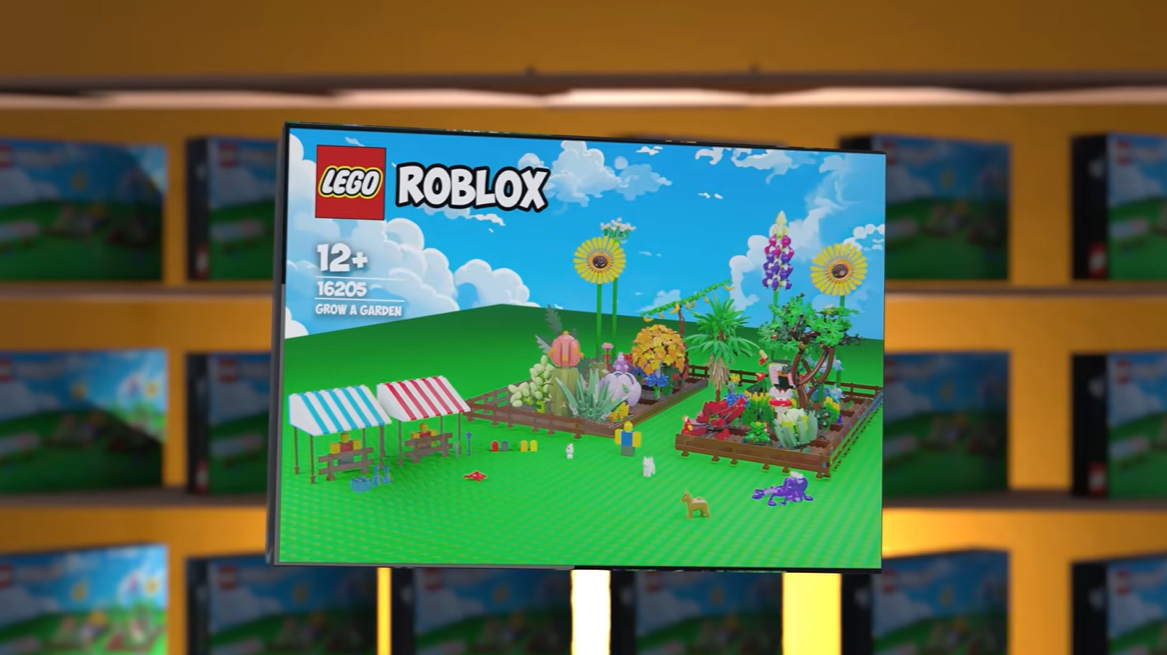
Players want physical LEGO sets based on popular Roblox games. Search YouTube or Reddit and you'll find fans creating "fake" LEGO sets for 99 Nights in the Forest, Grow a Garden, and other viral Roblox experiences. The demand is there.
LEGO has mastered digital integrations on Roblox. The next evolution? Phygital.
Imagine buying a LEGO set based on Fisch or Dragon Adventures that unlocks exclusive in-game content. Or purchasing LEGO NINJAGO sets that grant special dragons in Dragon Adventures.
This would close the loop: digital integrations drive awareness, physical products drive revenue, and codes on physical sets drive players back into Roblox.
It's the ultimate brand flywheel McDonald's has used, and LEGO is perfectly positioned to execute it.
Three takeaways for brands:
- Integration beats standalone when entering established gaming platforms.
- Organic reach works when you add genuine value to existing games.
- Long-term commitment wins on Roblox. That's how you become part of the culture, not just a campaign.
LEGO's journey proves that the brands winning on gaming platforms aren't always the ones building the biggest experiences—they're the ones showing up where players already are and giving them something worth playing with.
What's your Roblox strategy? Are you building, integrating, or going phygital?💬
Thanks for reading Bloxprint! Share if with someone who might like it💜